On this page
Quick answer: Portion control is the fastest way to protect restaurant margins because over-portioning silently inflates food cost on every single plate served. A few extra grams per dish, multiplied across thousands of covers, is real money - and standardising portions to recipe recovers it immediately, with no impact on quality or the customer experience.
Of all the ways to protect margin, portion control is the quickest and cheapest, because it costs nothing to implement and the customer never notices. Yet it's the most commonly neglected - a generous hand at the pass feels like good hospitality while quietly eroding your profit on every plate. This guide shows how to fix it.
Why is portion control so important?
Because it multiplies. An extra 10 grams of protein or an over-poured sauce might cost a few fils per plate - trivial on one dish. But across hundreds of covers a day, every day, that few fils becomes hundreds of dirhams a month of pure lost margin. And because each instance is tiny, nobody notices it happening; it only shows up as a mysteriously high food cost at the end of the period.
How does over-portioning inflate food cost?
Your recipe cost - and therefore your menu price - assumes a specific portion. When the kitchen serves more than the recipe, the actual cost per plate rises above the costed amount, but the price stays the same. The difference comes straight out of your margin:
| Recipe (costed) | Actual (over-portioned) | |
|---|---|---|
| Protein per plate | 150 g | 175 g |
| Cost per plate | AED 6.50 | AED 7.10 |
| Sold at | AED 26 | AED 26 |
| Margin lost | - | AED 0.60 per plate |
AED 0.60 a plate across 150 plates a day is AED 90 a day - over AED 2,700 a month - gone, for a portion difference no customer asked for.
How do I implement portion control?
It's mostly discipline plus the right tools:
- Define the portion in the recipe - every dish should have a specified portion, not a "looks about right."
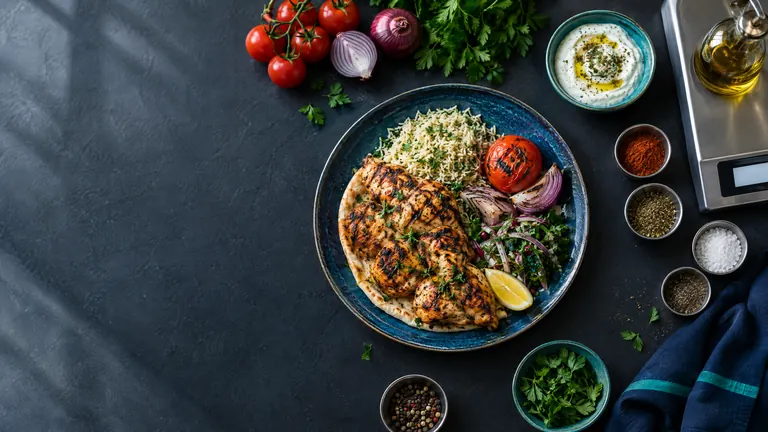
- Use portioning tools - scales, scoops, ladles, and portion cups make consistency easy.
- Standardise plating - train the team to the spec so every plate matches.
- Spot-check - weigh sample plates against the recipe.
- Measure variance - track actual usage against what the recipe says you should have used.
Doesn't generous portioning keep customers happy?
There's a difference between a portion that satisfies and one that wastes. Customers value a portion that feels right for the price - they rarely register the difference between a correct portion and an over-generous one, but your margin does. Consistency matters more than size: a customer who gets a different amount each visit notices the inconsistency. The goal is the right portion, every time - generous enough to delight, controlled enough to profit.
Read next: How to calculate food cost percentage (pillar) · Theoretical vs actual food cost · How to reduce food cost without lowering quality
Frequently asked questions
Why is portion control the fastest way to protect margins?
Because it costs nothing to implement and recovers margin immediately. Over-portioning inflates food cost on every plate, and standardising portions to recipe stops that loss at once, with no impact on quality.
How much does over-portioning cost?
It's small per plate but compounds fast. An extra AED 0.60 of ingredients on 150 plates a day is over AED 2,700 a month of lost margin - for a portion difference customers didn't ask for.
How do I implement portion control?
Define the portion in each recipe, use portioning tools like scales and scoops, standardise plating through training, spot-check sample plates, and track actual usage against recipe to measure variance.
Won't smaller portions upset customers?
The aim isn't smaller portions - it's correct, consistent ones. Customers value a portion that feels right for the price and notice inconsistency more than size. The right portion every time both delights and protects margin.
About this guide. Maintained by the TajerGo Editorial Team. Last updated 21 Jun 2026. Worked examples use illustrative numbers, not customer results.