
Blog topic
Inventory & Stock Control
Count, rotate and reorder stock so bestsellers stay available and variance is explained instead of written off.
Start here
The pillar guide for this topic
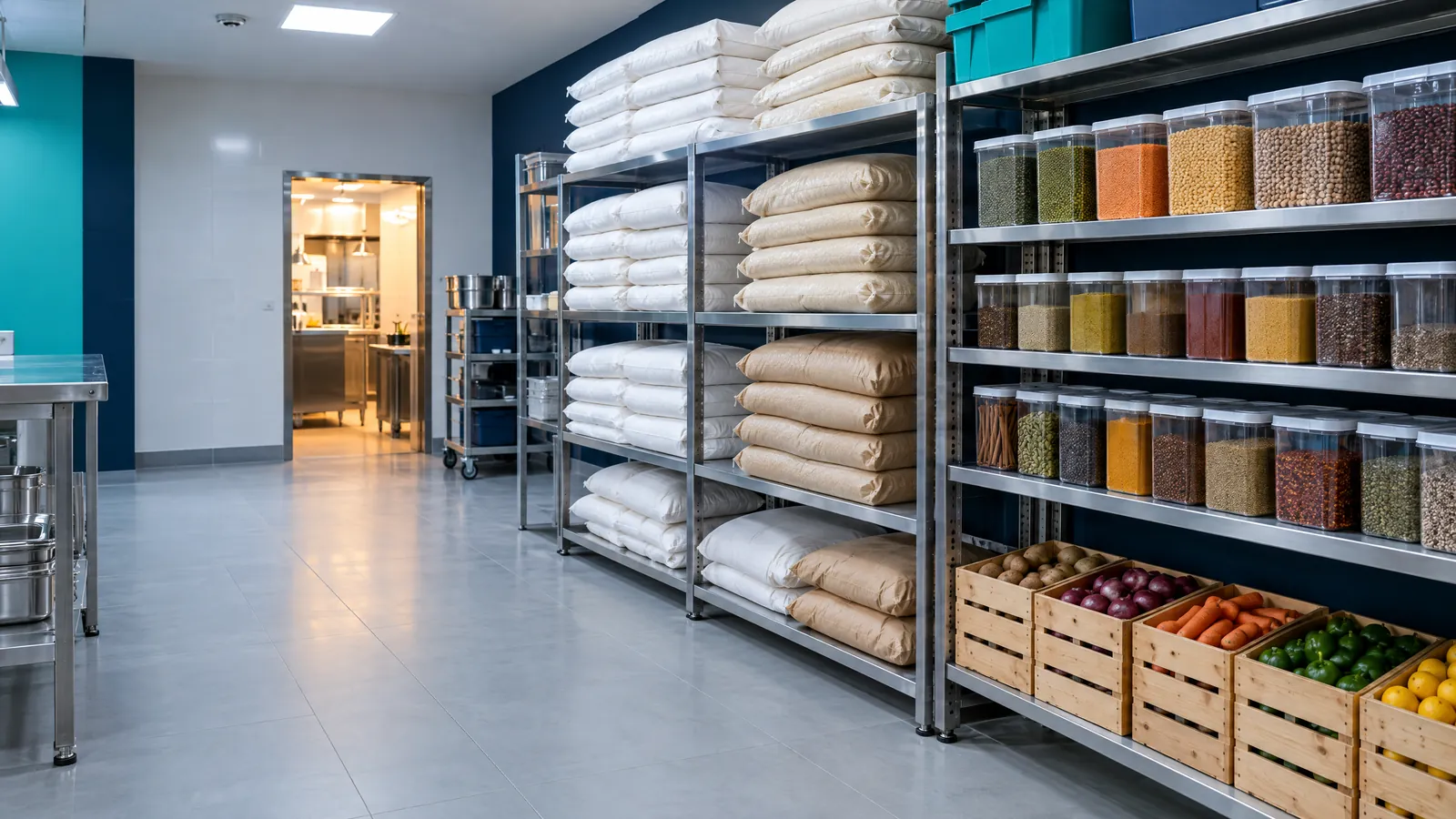
Restaurant Inventory Management in the UAE: The Complete Guide
What a UAE restaurant owner needs on inventory management: stock takes, FIFO, par levels, variance, wastage, multi-branch, and the link to real profit.Read the guideWhat you will be able to do after this topic
- Run a fast, accurate stock count
- Set par levels and reorder points
- Investigate a stock variance step by step
Inventory
Every guide in Inventory & Stock Control
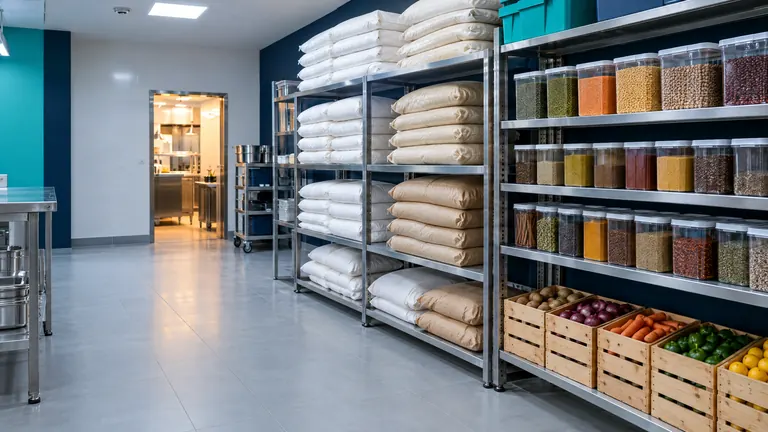
FIFO for Restaurants: Stop Spoilage Before It Costs You
FIFO, first in first out, is the simplest discipline a restaurant kitchen can adopt to cut spoilage. Here is how to implement it and why food cost falls.Read the guideHow to Do a Stock Take in a Busy Restaurant
A restaurant stock take does not have to disrupt service. Here is how to run an accurate physical count, record variance and act on the numbers.Read the guideHow to Set Par Levels for Restaurant Ingredients
Calculate restaurant par levels as stock targets, distinguish reorder points, and work out order quantities using incoming stock, pack size and shelf life.Read the guideHow to Spot Kitchen Theft Through Inventory Data
Kitchen theft usually shows as unexplained stock variance, where ingredients disappear faster than sales account for. Here is how the data exposes it.Read the guideHow to Track Wastage in a Restaurant Kitchen
Tracking kitchen wastage means logging every discarded item with a reason. Here is how to build a wastage log, read the data, and cut your food cost with the insights it gives you.Read the guideIngredient-Level vs Finished-Goods Inventory Tracking
Understand ingredient-level versus finished-goods inventory tracking, how recipes connect sales to stock, and why most restaurants need both for cost.Read the guideLow-Stock Alerts: Never Run Out of Your Bestseller Again
Low-stock alerts notify a restaurant when an ingredient drops below its par level, giving time to reorder before service is disrupted. Here is the setup.Read the guideMulti-Branch Inventory: Managing Stock Across Locations
Multi-branch inventory management shows stock across every location in one view and allows transfers, so no outlet runs short while another overstocks.Read the guideStock Transfer Between Branches: How to Do It Right
A proper stock transfer records ingredients leaving one branch and arriving at another, keeping both inventories accurate. Here is the right process.Read the guideStock Variance: What It Means and How to Investigate It
Learn what stock variance means in a restaurant, the common causes, and a practical investigation sequence for counts, wastage, deliveries and recipe use.Read the guideWhat Is Ghost Inventory and How to Find It in Your Kitchen
Ghost inventory is stock your system thinks you have but you do not, caused by theft, waste or miscounts. Here is why it matters and how to find it.Read the guide
Questions about this topic
Count, rotate and reorder stock so bestsellers stay available and variance is explained instead of written off. It has 12 guides for UAE restaurant, café, cloud kitchen and shop owners.
Try TajerGo
Put these guides to work in one POS
TajerGo is POS software for restaurants, cafés, retail and gifting businesses, with stock, suppliers and owner reports built in.
- Free plan at AED 0, no card needed.
- Paid plans from AED 99 per active branch per month, before VAT.
- Self-serve setup is free. Assisted setup packages are available.
- English and Arabic (RTL) interface.
Ask about your setup
Leave your details and the TajerGo team will get back to you about your menu, stock and branches.